
Birdwatching
Five Common Mistakes When Identifying Birds by Plumage (and How to Avoid Them)
September 22, 2026
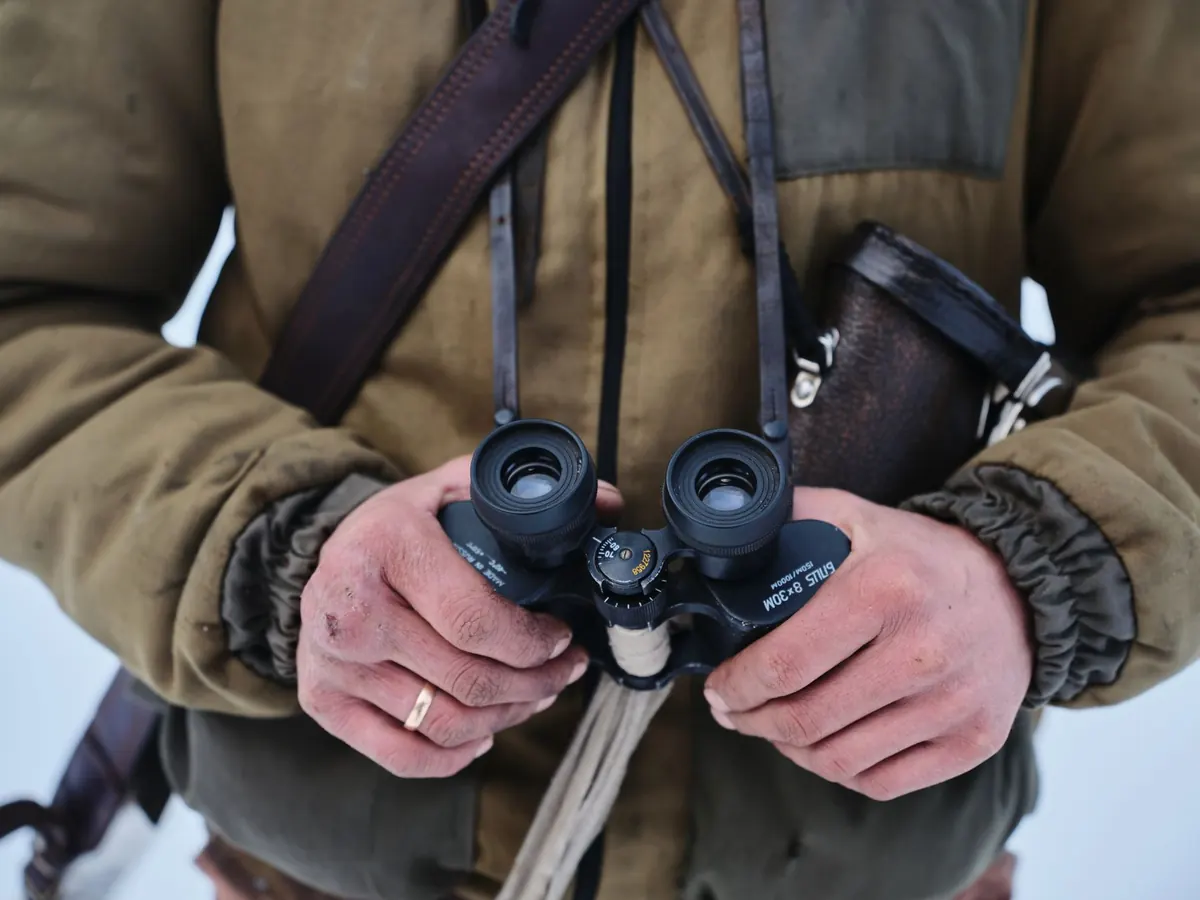
Most plumage mistakes happen in the first ten seconds. You lift your binoculars, the bird is backlit, a flash of yellow crosses the leaves, and a name forms before your eyes have caught up. Identification rarely fails because the bird is genuinely impossible. It fails because the light, the bird's age, or your own expectations have quietly bent what you think you saw.
The reassuring part is that these errors are predictable. They follow the same patterns wherever you watch birds, from a suburban garden to a coastal marsh. Learn to spot them in your own habits and a good number of awkward birds settle down into straightforward ones.
Mistake one: trusting colour in poor light
Colour is the first thing we reach for and the least reliable thing we get. In deep shade a Chiffchaff reads as a plain brown bird. In low winter sun the grey mantle of a gull warms towards blue-grey and a Yellow-legged Gull starts to look like a Herring Gull, or the other way round. Backlighting removes pattern altogether, turning a Reed Bunting into a silhouette with a beak.
Wet plumage is worse. Rain-darkened feathers look richer and darker than they are, sheen flattens barring, and a bird that has just bathed can appear almost black.
A few habits help:
- Reposition so the sun is behind you, even if it means walking fifty metres along the hedge.
- Watch from two sides if you can. One angle will flatter the bird, the other will tell you the truth.
- Use flat, neutral light. Overcast days are excellent for judging subtle greys and browns.
- Check bare parts: bill shape and colour, leg colour, eye colour. These shift less with the light than feathers do.
- Be suspicious of any identification resting on a single colour seen in shade.
Mistake two: overlooking feather wear
Feathers are not permanent. They abrade from the moment they grow, so the pale fringes on a warbler's wing coverts in April may be gone by August, taking the neat two-tone wing panel with them. Dunlin look duller and browner in late summer than they did in spring. Common Sandpipers lose the crisp edges that made them look so tidy in May.
Wear works in both directions. A freshly moulted adult in autumn can look confusingly bright and clean, closer to a juvenile than to the scruffy bird you saw in July. Young large gulls are scaled and patterned with pale feather edges; those edges wear away through the winter, so the same bird looks progressively plainer.
The fix is simple: always ask what time of year it is and what condition the feathers are in. A bird with heavily abraded primaries in spring is probably an adult that has not yet moulted, and that narrows the options rather than widening them.
Mistake three: forgetting about moult
Moult catches out even experienced birdwatchers, because it turns birds into something the field guide does not show.
Drakes in eclipse
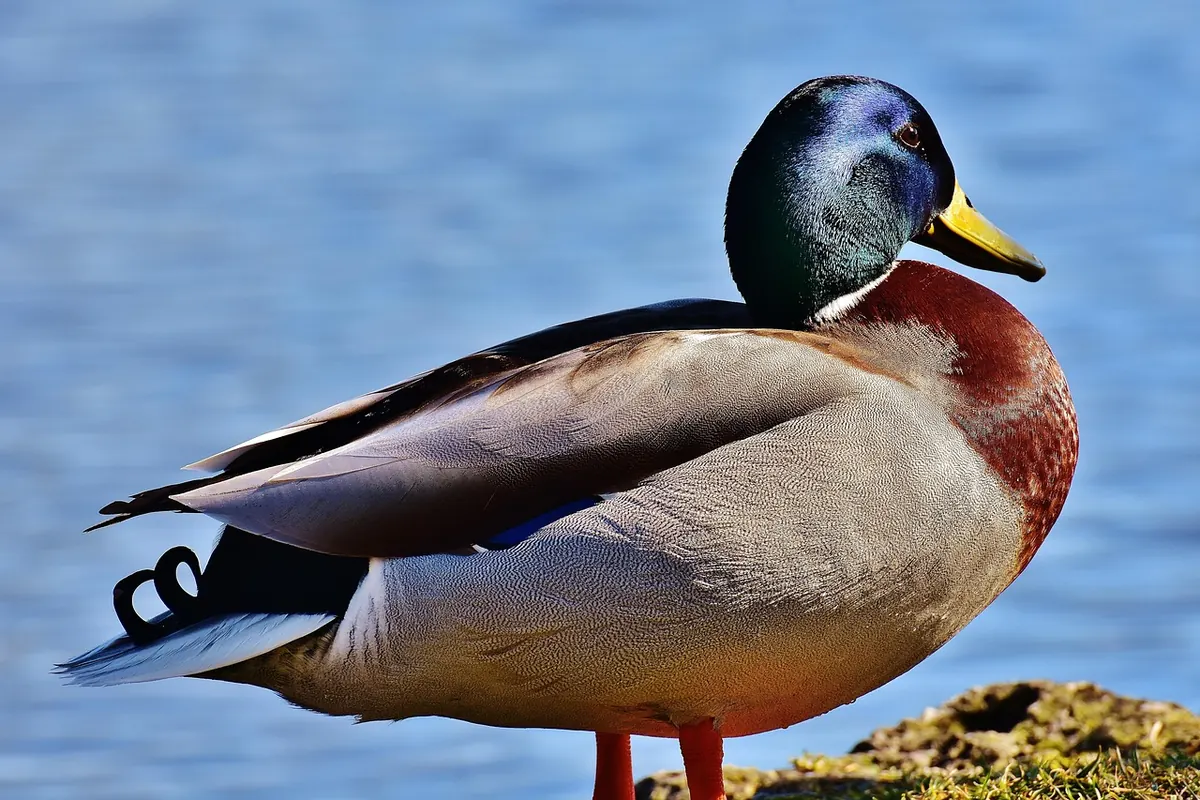
Male ducks in eclipse plumage, usually from midsummer into early autumn, resemble females: dull brown, with the bright head and body colours gone. A drake Mallard in eclipse can be dismissed as a female or, worse, as something rarer. Look at bill colour and pattern, and at the wing speculum, rather than the body colour.
Partial moults in small birds
Many small passerines make only a partial moult in their first autumn, replacing body feathers and some wing coverts while keeping juvenile flight feathers. That is why a bird in spring can still show worn, brownish juvenile wings alongside fresh body plumage. It is not a hybrid and not a rarity — it is a second-calendar-year bird doing exactly what it should.
Gulls, the long game
Gulls moult in stages and can show a mixture of feather generations for much of the year. Recording which feathers are fresh, which are worn and which are missing will teach you more than memorising a single plate.
Mistake four: judging from one angle
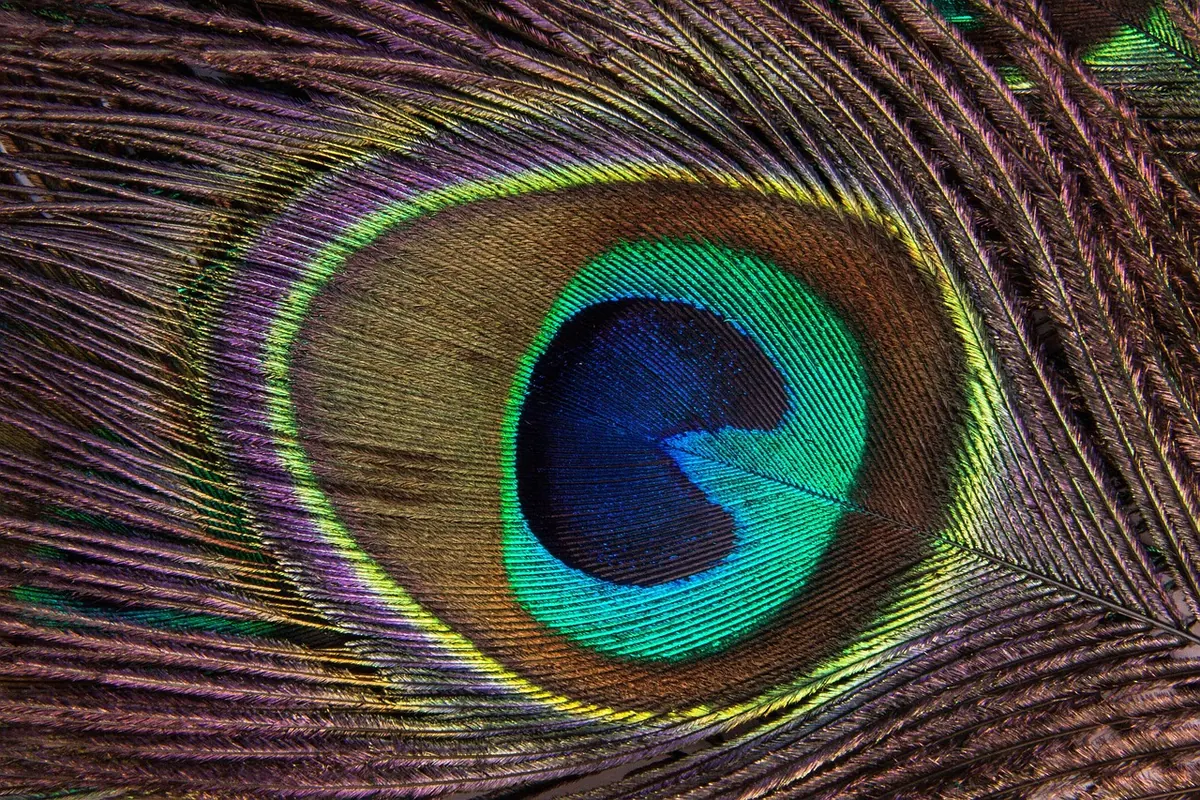
Some plumage is structural rather than pigmented, which means it changes with the angle of the light. A Starling's iridescence flips from green to purple as it turns. The blue on a Magpie's tail and the wing panel of a Jay shift as the bird moves. The head of a drake Mallard can look green, blue-green or almost purple from different sides.
Feather overlap matters too. A pale wing bar can vanish behind a folded wing, barred flanks can be hidden, and a white rump may only appear in flight. Posture hides as much as it reveals: a crest flattened, a neck extended, a tail fanned.
Give the bird a minute. Most plumage detail arrives on the bird's schedule, not yours.
Wait for it to turn, preen, stretch or fly. Learn its call as well, because sound often settles what plumage leaves ambiguous — particularly with Chiffchaffs, Willow Warblers and the warblers that look alike in the field.
Mistake five: letting expectation do the identifying
This is the one nobody likes to admit to. You have travelled to a reedbed hoping for a scarce warbler, and every small brown bird starts to look scarce. You are standing with people who have already decided, and you agree with them. You saw something similar last week, so you assume this is the same species.
Expectation does not just bias the conclusion; it biases what reaches your attention. Once you have named the bird, you stop looking.
A workable counter is to describe before you identify. Say the features out loud or write them down: bill length and colour, leg colour, eye stripe, wing pattern, tail length, underpart tone, behaviour, size compared with a nearby species. Only then reach for a name. If something does not fit, record that too. "Probable" is a respectable entry in a notebook, and far more useful than a confident error.
A short routine worth repeating
None of this needs better equipment or a longer list. It needs a slightly slower first minute. Try this the next time a bird puzzles you:
- Note the date and place. Season and habitat are clues in their own right.
- Get the light behind you and view the bird from more than one angle.
- Describe structure before colour: size, proportions, bill, tail, posture.
- Check feather condition. Are the wing feathers faded? Are the coverts edged pale, or worn plain?
- Consider moult and age before you consider rarity.
- Listen. Calls and song often settle what plumage cannot.
- Photograph or sound-record if you can, and look again later.
- Leave without a name if the evidence has not earned one. You can return to the puzzle tomorrow in better light.
Plumage is a moving target. Feathers grow, wear, fade and drop, and British light rarely helps. Get into the habit of asking what the feathers have been through, and the birds themselves become far easier to read.
Photo: ArtHouse Studio / Pexels
Related posts
More stories you’ll love reading