

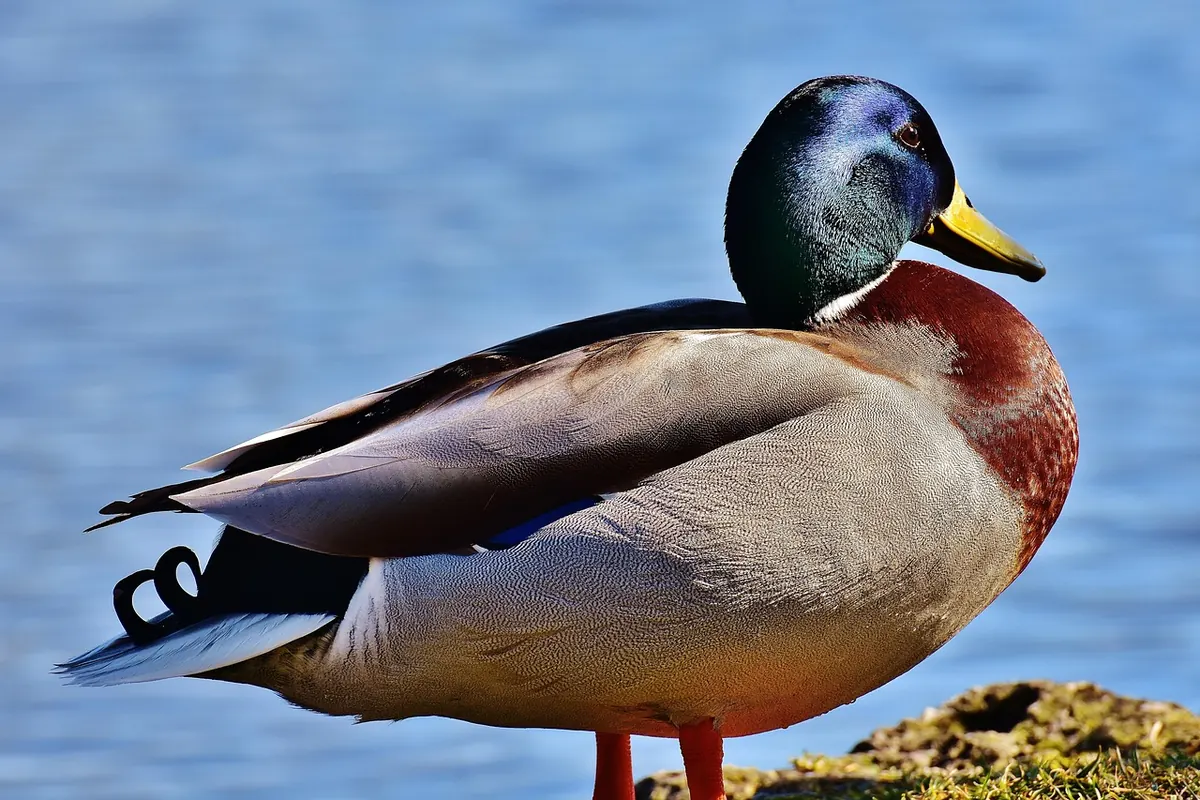
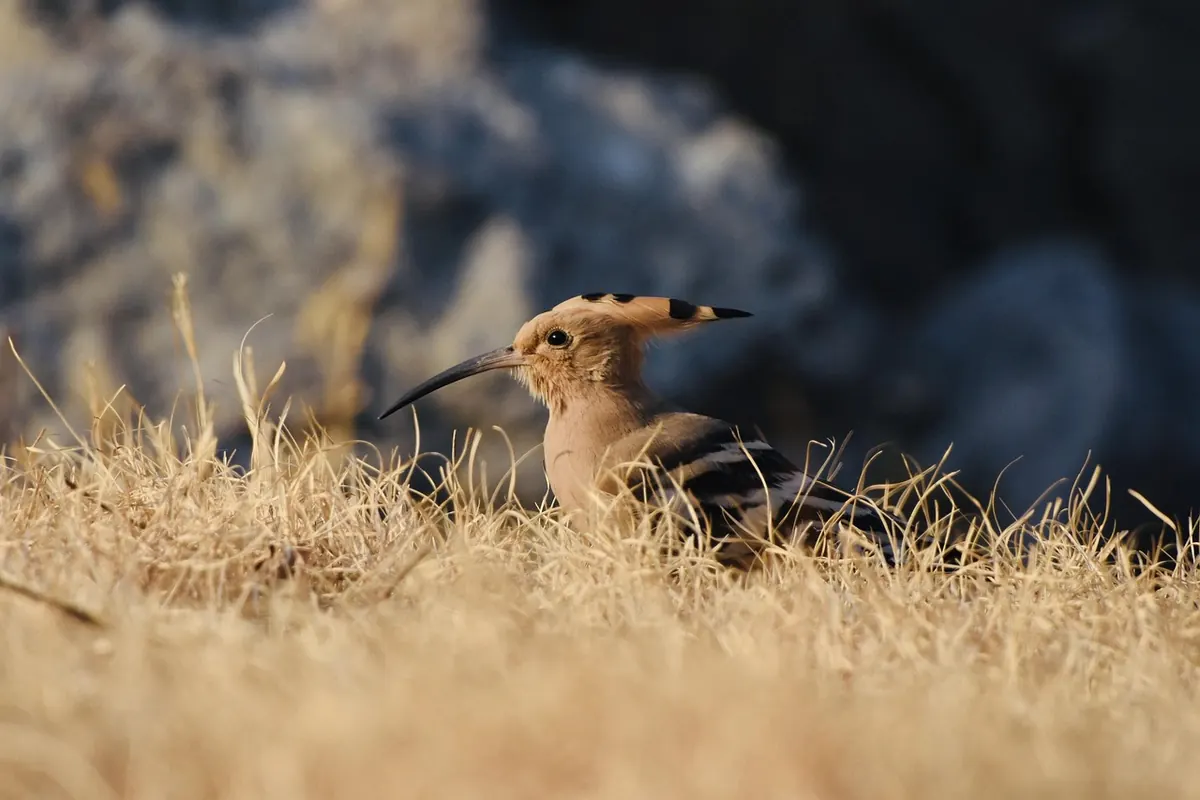
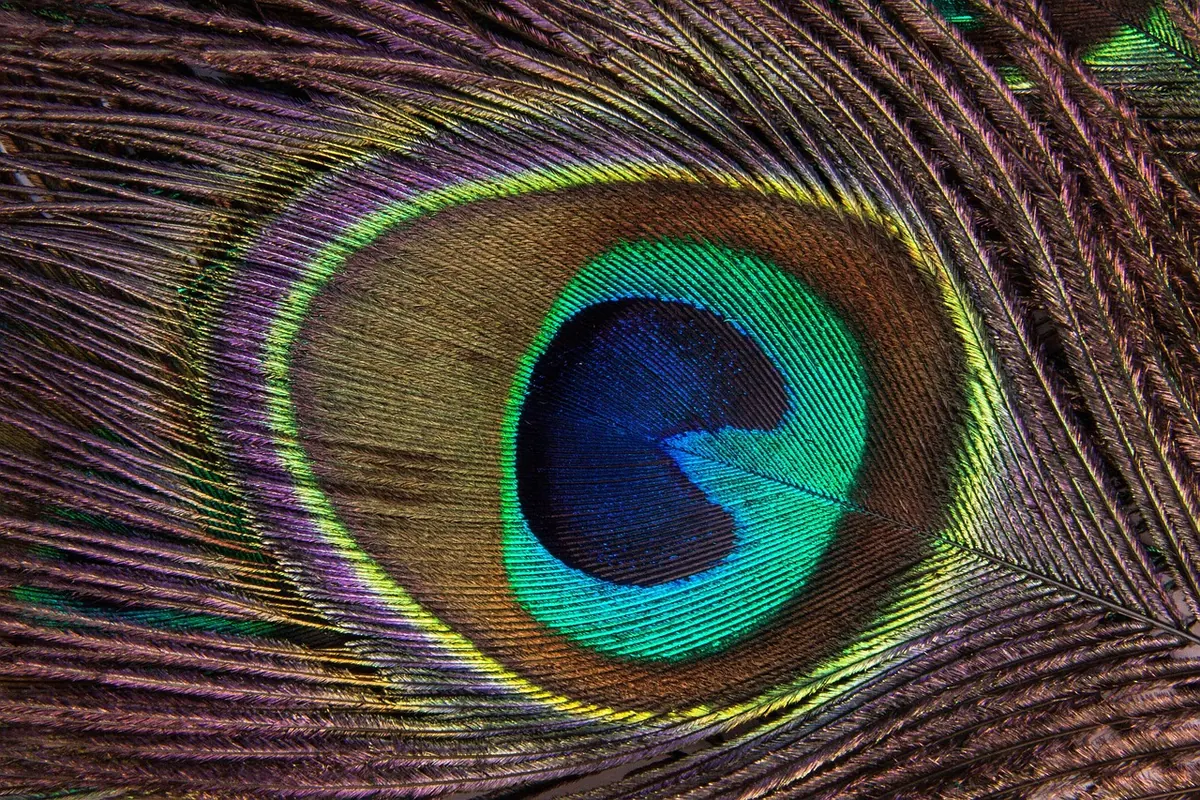
A blue tit's yellow breast and a woodcock's mottled brown back could hardly look more different, yet both are made from the same raw materials: the food a bird finds, the energy it can spare, and the conditions it grows its feathers in. Plumage is a working record of a bird's life. When hedgerows are grubbed out, wetlands drained or moorland planted with conifers, that record changes — sometimes subtly, sometimes in ways you can spot from your kitchen window.
Why plumage varies in the first place
Feather colour comes from a few different sources, and each is vulnerable in its own way.
Browns, blacks, greys and buffs are built from melanin pigments, which birds can manufacture themselves from amino acids. Yellows, oranges and reds usually come from carotenoids, and birds cannot make those — they must eat them, in berries, seeds, aphids and caterpillars. Blues, iridescent greens and the ultraviolet signals we cannot see depend on the precise microscopic structure of the feather barbs, which means they depend on how cleanly and completely that feather grew during the moult.
Layer on top of that the ordinary variation between individuals: age, sex, season, parasite load, condition. A population's plumage diversity is a store of information about health, genetics and habitat quality. Lose the habitat, and you start to lose the variation.
When the larder changes, the colours change
Carotenoid colours are the clearest example. A yellowhammer's bright head, a linnet's flushed breast and a bullfinch's pink-red chest all depend on pigments picked up from food. Where farmland has lost its winter stubbles, flower-rich margins and hedgerow berries, there is simply less of that raw material around. Birds may survive on what remains, but survival is not the same as surplus, and colour is one of the first things to reflect the difference.
Insect timing matters too. Many woodland birds raise young on a short pulse of caterpillars, and their moult follows soon after breeding. If the food peak shifts away from the nestling period, adults enter moult in poorer condition. A feather grown cheaply is a shorter, thinner, less crisp feather — and in a species whose pattern does the talking, that matters.
Urban and suburban birds add another twist. Supplementary feeding keeps many birds alive through winter, which is a genuine benefit. But a diet of fats and seeds is narrow compared with a wild one, and it is not the same diet everywhere. Gardens that are paved, decked and sprayed offer little to replace it.
Moult is an annual stress test
Most small British birds moult their flight and body feathers in late summer, after the breeding season. It is an expensive business: feathers are largely protein, and growing a full set takes weeks. During that window a bird needs reliable food, water, shelter and low disturbance.
Degraded habitat removes all four. Dried-up ponds mean fewer bathing and drinking sites. Cleared scrub means fewer safe roosts. Repeated disturbance — from dogs off leads, machinery, or heavy footfall — interrupts feeding. The result is often a moult that is patchy, slow, or abandoned partway. The bird is still alive and still identifiable, but the fine detail of its plumage is not what it would have been.
Camouflage out of step with the seasons
Some species do not just wear camouflage; they change it. Ptarmigan in the Scottish Highlands moult into white for winter, relying on snow to complete the disguise. Milder, less snowy winters leave white birds sitting on dark ground — highly visible to raptors and foxes.
Less dramatically, many ground-nesting species depend on plumage that matches a specific vegetation structure. Snipe and woodcock are patterned for damp, tussocky, half-lit ground. Drain the field, shorten the sward, remove the rushes, and the match fails. The feathers have not changed, but their usefulness has.
Small populations lose variation fastest
Habitat loss rarely happens evenly. It carves landscapes into islands, and the birds on those islands breed with a shrinking pool of neighbours. Over generations, rare plumage variants disappear, and local differences between populations flatten out. That matters beyond aesthetics. Plumage variation is often tied to immune genes, mate choice and local adaptation; strip it away and a population has less room to respond when conditions change again.
Corridors help. A connected hedgerow network, a chain of ponds, or a series of unimproved meadows lets birds move and mix in a way that isolated fragments never will.
Species that rely on specific feathers
For some birds, a particular feather or patch is not decoration but equipment, used in courtship or social signalling. Damage to the habitat that supports the display usually damages the display itself.
- Black grouse — the males' lyre-shaped tail and white undertail coverts are central to the lek, which needs open moorland edges with scattered trees and low disturbance.
- Great crested grebe — the crest and chestnut tippets are used in the weed dance; the birds need open water with fish, plus quiet marginal reeds for nesting.
- Bearded tit — the male's black moustachial stripes are a reedbed speciality, and reedbed is exactly the habitat that drainage, abstraction and coastal squeeze remove.
- Ruff — the male's elaborate ruff belongs to wet grassland and marsh edge, a habitat that has shrunk sharply across lowland Britain.
What you can do where you live
None of this requires a nature reserve to fix. Small, repeated actions across a neighbourhood add up to connected habitat.
- Plant native berry and seed producers: hawthorn, rowan, honeysuckle, teasel, knapweed, bird's-foot trefoil. They feed the birds that need carotenoids.
- Leave seedheads standing through winter and hold off cutting back until late spring, once the worst of the weather has passed.
- Cut hedges on rotation rather than all at once, and let some sections grow tall. A hedge that is never allowed to flower and fruit is only a fence.
- Add a pond, however small, and keep it free of fish. Drinking, bathing and insects all follow.
- Reduce or stop using insecticides and weedkillers, and keep feeders clean with a varied mix rather than fat alone.
- Record what you see. Noting moult, odd colouring or colour-ringed birds through a survey such as Garden BirdWatch or BirdTrack adds real value to long-term monitoring.
- Support work on reedbeds, lowland wet grassland and upland moor management, where the species that depend on specialised plumage are concentrated.
The dulling of a yellowhammer, the lost white of a ptarmigan in a snowless January: these are quiet signals, easy to miss. Watching for them, and giving birds the food, cover and space they need to grow a good set of feathers, is one of the most direct ways to keep UK plumage diversity intact.
Photo: StephanieCor / Pixabay
Related posts
More stories you’ll love reading