

A robin in late July can look as though it has been dragged backwards through a hedge. A bald head, a stubby tail, wing feathers jutting at odd angles — and then, six weeks later, the same bird is sleek, glossy and immaculate. Nothing dramatic has happened. It has moulted.
Moult is one of the biggest events in a bird's year and one of the least understood by the people watching them. Once you know how it works, a lot of puzzling sightings fall into place: the tatty sparrows on the feeder in high summer, the dull male ducks on the reservoir, the autumn warblers that refuse to match the picture in the field guide.
Feathers are built to wear out
A feather is a small engineering marvel: a central shaft, hundreds of barbs, and thousands of barbules that hook together like a zip to form a flexible, airtight surface. It is also, once fully grown, dead tissue. There is no blood supply running through a mature feather, and no way to patch a split shaft or re-hook a bent barbule.
Feathers are grown once and used until they fail. The only repair available to a bird is replacement.
And fail they do. Sunlight bleaches pigment. Dust, grit and vegetation abrade the edges. Constant preening wears down tips. Feather mites and lice nibble at the barbs, and every hour of flight stresses the primaries. By early summer, a feather grown the previous autumn is thinner, duller and weaker than it was.
Worn plumage is not merely a cosmetic problem. Ragged flight feathers cost energy, a thin coat costs heat on cold nights, and damaged waterproofing means a wet, chilled bird. Colour matters too: dull feathers send weaker signals to rivals and to potential mates. Moulting is maintenance, and it is not optional.
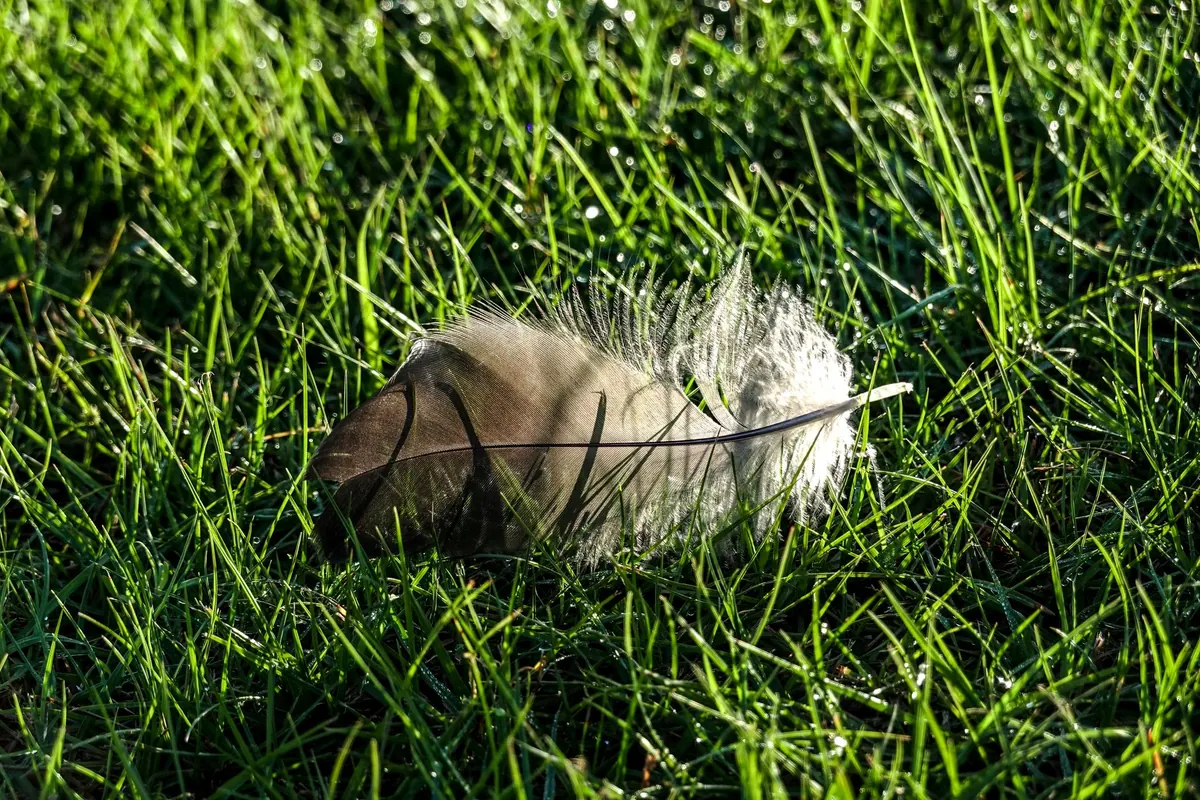
A feather lost outside the moult — pulled out by a cat, say, or dropped in a squabble — is often regrown quickly to plug the gap. That is emergency work, not the annual overhaul.
The annual moult cycle
Most birds in Britain and Ireland moult at least once a year, and many do it in two stages. Timing is governed by daylight and by the need to avoid clashing with breeding or migration.
Post-breeding moult
For most adult songbirds the big moult comes after the young have fledged, roughly from July to September. In a complete moult the bird replaces everything: body feathers, tail, and the flight feathers of both wings. Because the wing moult follows a set order — usually starting with the innermost primaries and working outwards — the bird stays flyable throughout, though never quite at its best. This is why late-summer birds skulk, sing less and look shabby.
Young birds run a smaller version of the same process. A juvenile robin or blue tit replaces its soft body feathers within weeks while keeping its juvenile flight feathers until the following summer. That mixed plumage — fresh body, juvenile wings — is a reliable clue to age.
Pre-breeding moult
Many species, finches and buntings among them, add a second, partial moult in late winter or early spring. It usually involves head and body feathers only, refreshing the colours that will be on display during the breeding season. Others get the same effect through wear: in species such as snow buntings and male house sparrows, pale feather tips gradually abrade to reveal the bolder colours beneath.
Moulting everything at once
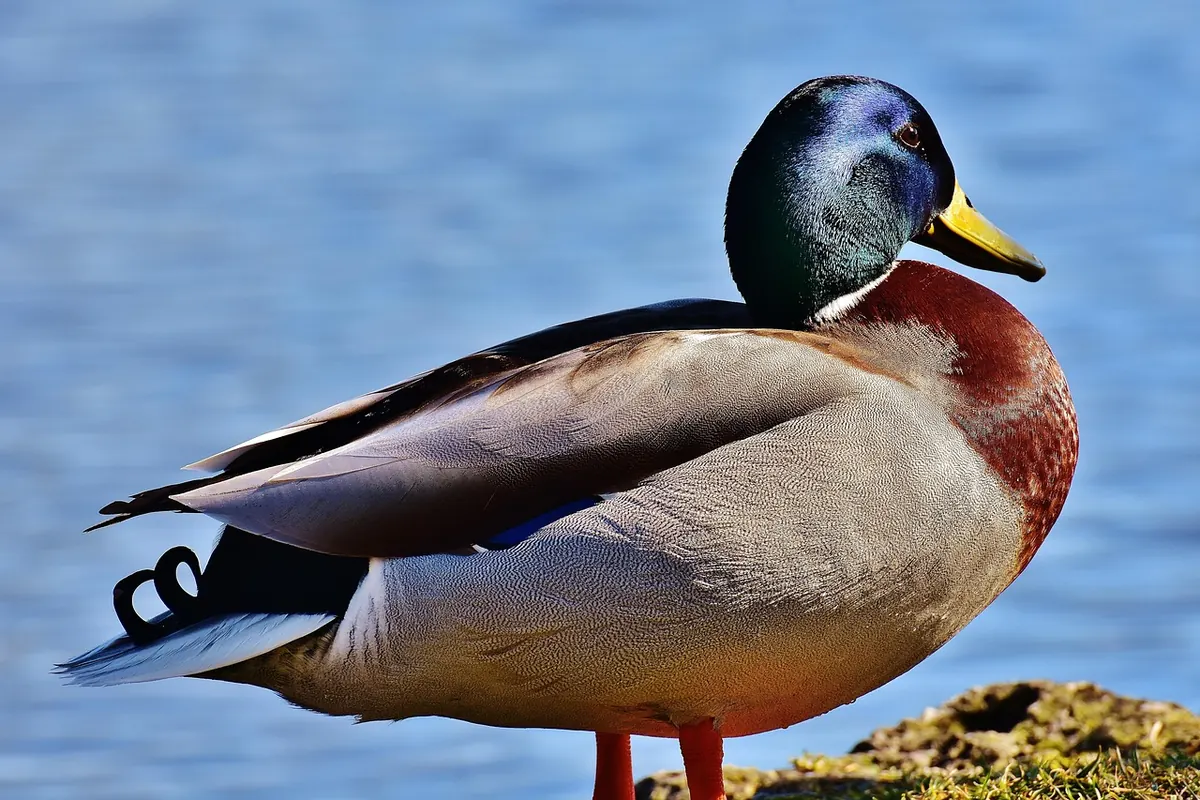
Ducks, geese, grebes and swans take a different route, dropping their flight feathers more or less simultaneously and going flightless for several weeks. They retreat to open water or dense reeds while they wait. Male ducks also moult into a drab eclipse plumage in summer, looking briefly more like females before returning to bright breeding dress in autumn and winter.
Fresh, worn, and everything in between
A new feather is not the same as an old one, and the difference shows. Fresh plumage often looks deeper and richer, sometimes with pale fringes and tips that create scalloped or scaly patterns on the wing coverts. As the months pass those pale edges wear away, so the same bird appears smoother, plainer and often greyer or browner.
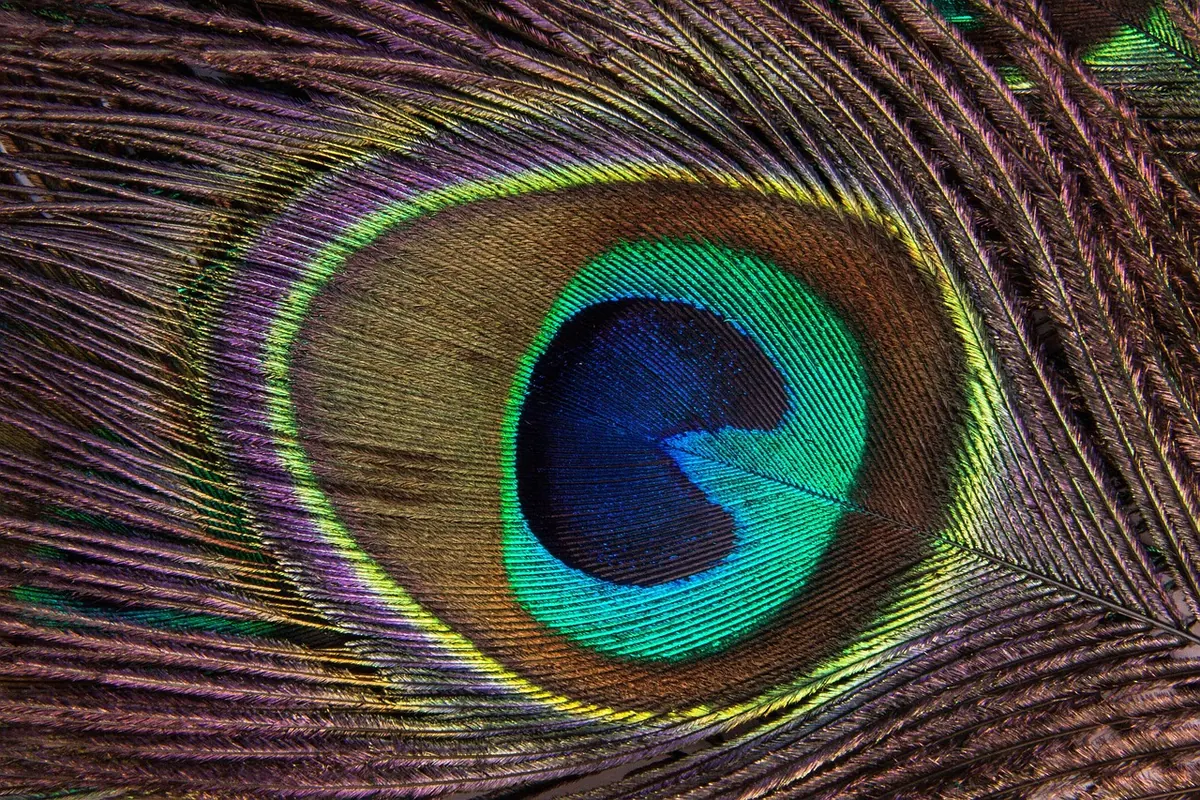
Structural colours — the blues, and the iridescent greens and purples produced by the way light interacts with feather structure rather than pigment — are especially sensitive to wear. A tired feather scatters light less tidily, and the sheen dims.
Moult rarely happens everywhere at once, either. Partly moulted birds end up with what ringers call moult limits: boundaries where new feathers meet old ones, visible as steps in feather length along a wing or tail, or as patches of contrasting colour.
Why moult matters for identification
Two birds of the same species and age can look quite different in June and October, simply because one is in worn plumage and the other in fresh. That is worth remembering before you reach for the rare-bird hotline.
- Look along the wing. Check the greater coverts, primary coverts and tertials for feathers of different generations. A clear contrast between old, brown, ragged feathers and new, darker ones with pale tips often points to a first-winter bird.
- Check the tail. Juveniles and partly moulted birds frequently show tail feathers of uneven length or shape, with pointed, worn tips alongside rounded new ones.
- Watch for pin feathers. A patch of short, spiky quills on the head or body means active moult — useful context for an odd-looking bird.
- Note the date. An adult in full wing moult in early August is behaving normally. The same bird in mid-winter would be a surprise worth investigating.
- Photograph rather than guess. A few sharp images of the open wing and tail, taken later at home, settle far more questions than a hurried view in the field.
Be realistic about limits. For plenty of species, ageing a bird on moult is only possible at certain times of year, and some individuals simply cannot be assigned an age in the field. National ringing schemes, such as those run by the British Trust for Ornithology, gather moult records precisely because the details are hard to read casually.
Helping birds through a moult
Growing a full set of feathers is energetically expensive, and a moulting bird is more vulnerable than usual. A few simple habits help.
- Keep a clean bird bath topped up. Water matters for drinking and bathing, and bathing helps birds keep new feathers in good order.
- Offer high-protein food — sunflower hearts, quality peanuts and dried or live mealworms — and never put out mouldy or salty scraps.
- Clean feeders and baths regularly to reduce the risk of disease spreading among birds that are already under strain.
- Leave the scruffy corner of the garden alone. Long grass, leaf litter and dense shrubs give moulting birds somewhere to hide.
- Avoid handling birds unnecessarily. Growing "blood feathers" contain a live blood supply and bleed readily if damaged; if you find an injured bird, or a broken feather that will not stop bleeding, contact a wildlife rescue or a vet.
Keep cats indoors or fitted with a bell and a quick-release collar, particularly in late summer when young and moulting birds are least agile.
Watching moult on your patch
You do not need a mist net to study moult. A notebook and a bit of patience will do.
- Choose three or four common garden species — blackbird, blue tit, goldfinch, woodpigeon — and watch them closely through late summer.
- Check once or twice a week for bald heads, gaps in the wings, short tails and pin feathers, and note the dates of the first and last scruffy individuals.
- Photograph the same birds where you can. Comparing a July picture with a November one makes the transformation obvious.
- Write down plumage details as well as dates: colour depth, pale fringes, sheen. Over a couple of years you will build a personal moult calendar for your area.
- Ask before assuming. If a bird looks genuinely unusual, record it, photograph it, and check with experienced local birders before naming it.
Do this for a season or two and the shabby birds of high summer stop looking like a problem. They become the most informative individuals in the garden.
Photo: Magda Ehlers / Pexels
Related posts
More stories you’ll love reading